
Learn the timelines, roles, and required elements for a Medicare-compliant home health Start of Care (SOC). A practical breakdown for nurses, families, and agencies.
Introduction: Why the Start of Care Matters
The Start of Care (SOC) visit is the cornerstone of home health services. It’s the very first step in launching care, setting expectations, and documenting eligibility. Think of it as the blueprint that shapes everything to follow—if the SOC isn’t done right, the whole plan of care can fall apart.
But what exactly goes into an SOC? Who does what, and how fast does it need to happen? Let’s break it down into three key areas: timelines, roles, and required elements.
1. Timelines: How Fast Does SOC Need to Happen?
Timing is everything in home health. Medicare and insurance companies have strict rules on when the SOC visit must occur.
- Within 48 hours of referral or hospital discharge (whichever comes first)
- Or within 48 hours of the patient’s physician-ordered “start date”
This rapid turnaround ensures patients receive care when they need it most—right after a hospitalization, a new diagnosis, or a major change in condition.
💡 Pro tip: Agencies that delay the SOC risk claim denials and compliance issues. Nurses that complete SOCs on time help both the patient and the agency succeed.
2. Roles: Who’s Responsible for What?
SOC visits aren’t a one-person show—they require a coordinated team. Here’s how roles typically break down:
- Skilled Nursing (RN):
- Completes the OASIS assessment (unless therapy-only case).
- Reviews medications, reconciles discrepancies.
- Documents homebound status and skilled need.
- Educates patient/caregiver on immediate safety or care issues.
- Physical / Occupational / Speech Therapy:
- May perform the SOC if therapy is the primary skilled discipline ordered.
- Evaluates functional deficits, sets therapy goals, and coordinates with nursing.
- Agency Clinical Manager:
- Reviews SOC documentation for compliance.
- Ensures plan of care matches physician orders.
- Oversees timely submission for billing and compliance.
- Patient and Family:
- Provide accurate health history and daily routines.
- Share goals, concerns, and barriers to care.
- Actively participate in the care plan.
When everyone understands their role, SOC visits flow smoothly, preventing missed information and reducing delays in care.
3. Required Elements: What Must Be Included?
For an SOC to meet Medicare standards, certain non-negotiables must be documented:
- OASIS data set (for Medicare/Medicaid patients)
- Medication reconciliation (accurate, updated list verified with patient/family)
- Homebound status justification (why leaving home is taxing or unsafe)
- Skilled need justification (clinical reasoning for why professional care is required)
- Plan of Care initiation (signed by provider, outlining disciplines, frequency, and goals)
- Patient/caregiver education (documented teaching and understanding)
- Emergency preparedness (plan for what patient should do in urgent situations)
Missing even one of these required elements can jeopardize payment—or worse, leave patients without the right care plan in place.
Why SOCs Are More Than “Paperwork”
It’s tempting to view SOCs as just another documentation requirement, but in reality, they are the foundation of safe, effective care at home. A thorough SOC:
- Prevents hospital readmissions
- Ensures medications are managed correctly
- Helps caregivers feel supported and informed
- Gives agencies the compliance tools they need to stay financially sound
Done right, an SOC visit is where healing at home truly begins.
Final Thoughts: Mastering SOCs With Confidence
Timelines, roles, and required elements may sound like administrative boxes to check—but in home health, they’re the backbone of patient care. Whether you’re a new nurse, a seasoned therapist, or a family caregiver trying to understand the process, knowing the “why” behind SOC requirements makes all the difference.
✨ Call to Action for Nurses:
Want step-by-step guidance on completing Medicare-compliant SOCs? Check out my RN Home Health SOC Guidebook on Kindle.
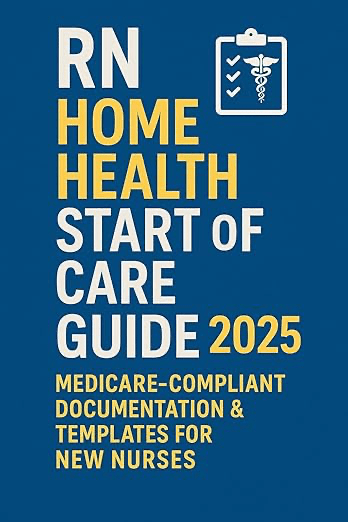
It’s packed with real-world examples, documentation tips, and practical checklists designed to make your SOC visits smoother, faster, and stress-free.
 RNonWheels
Leave a comment